
-
 5 minutes
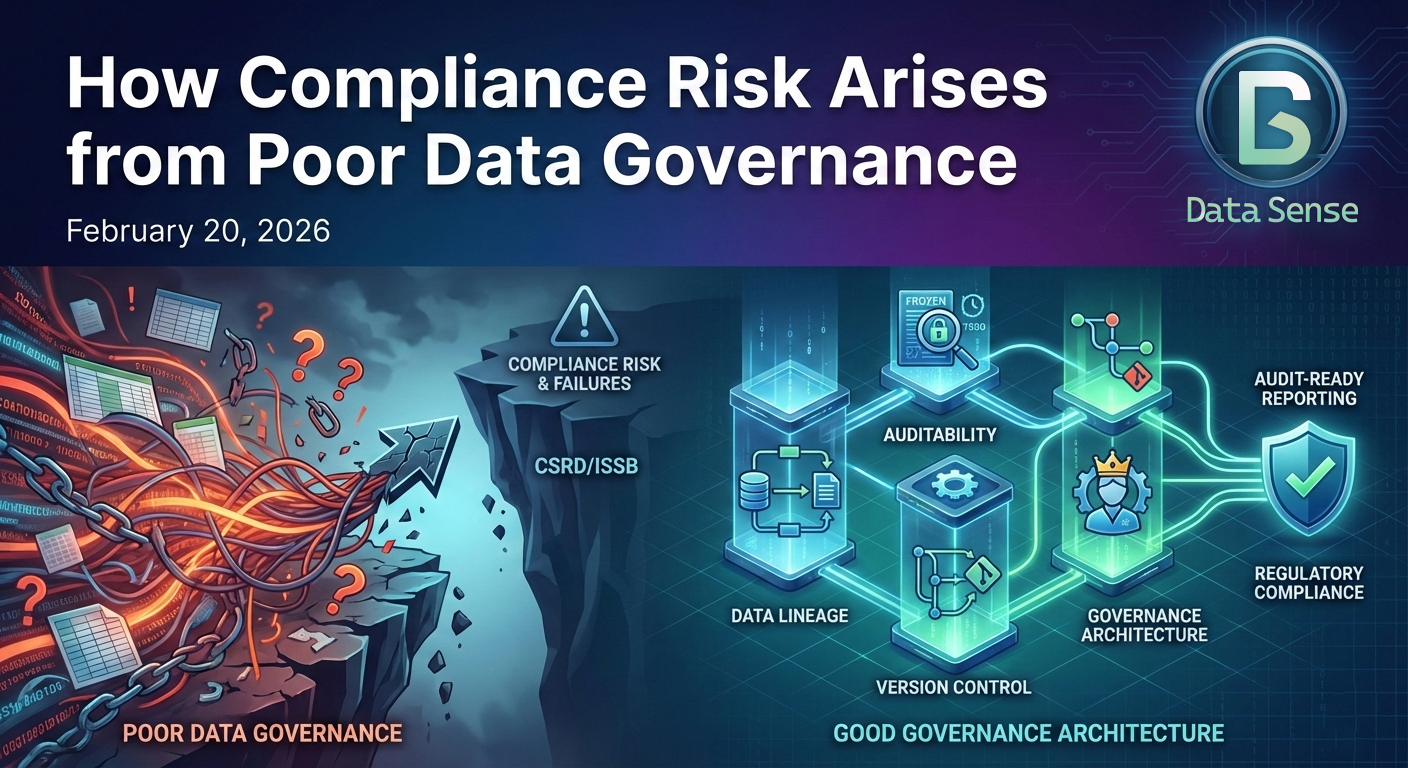
How Compliance Risk Arises from Poor Data Governance
Read More ->: How Compliance Risk Arises from Poor Data GovernanceMost compliance failures don’t begin with fraud. They begin with poor data governance and data management; inconsistently defined metrics, lack of ownership, scattered calculations and methodology. Under the Corporate Sustainability Reporting Directive (CSRD), climate and sustainability disclosures are subject to structured reporting standards issued by European Financial Reporting Advisory Group (EFRAG) and increasingly aligned with International Sustainability Standards Board (ISSB) standards.
-
 4 minutes
Automating a Risk Control Dashboard with Power BI MCP in Cursor for Free
Read More ->: Automating a Risk Control Dashboard with Power BI MCP in Cursor for FreeModern risk and control dashboards rarely fail because of visuals. They fail upstream, where definitions drift, calculations get re-implemented, and data governance lives in spreadsheets or people’s heads. In this walkthrough, I demonstrate how Power BI’s MCP (Model Context Protocol) can be used inside Cursor to automate much of that foundational work. MCP (Model Context […]
-
 4 minutes
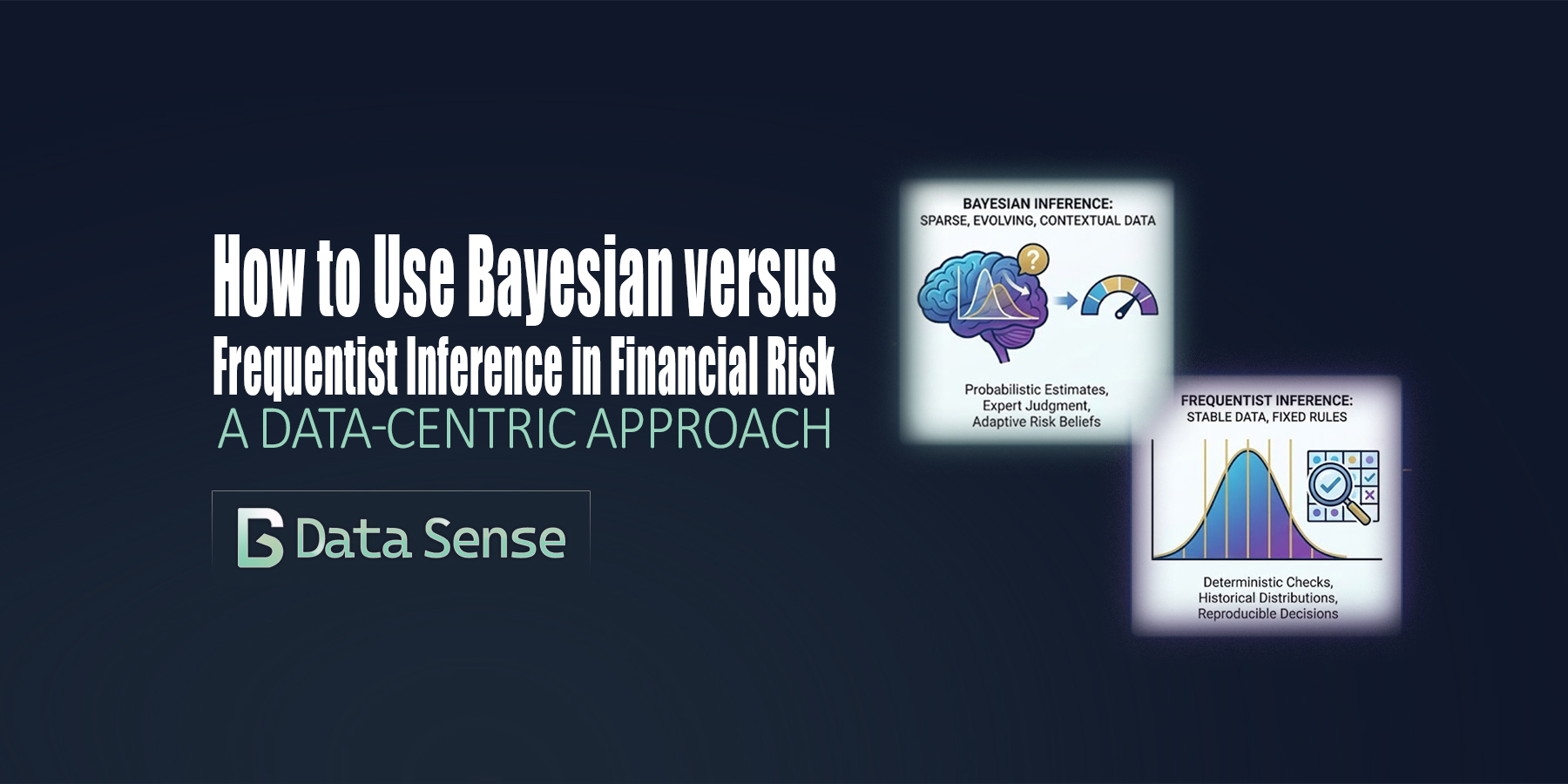
How To Use Bayesian versus Frequentist Inference
Read More ->: How To Use Bayesian versus Frequentist InferenceIn financial risk management, debates about Bayesian versus frequentist inference are often framed as methodological or philosophical. In practice, the choice is far more pragmatic: it is primarily a data problem. Model risk, drift, and operational risk live upstream of market, credit, and liquidity models. They are shaped less by elegant theory and more by the realities of data volume, stability, and interpretability. This is where the distinction between frequentist and Bayesian inference becomes operationally meaningful.
-
 11 minutes
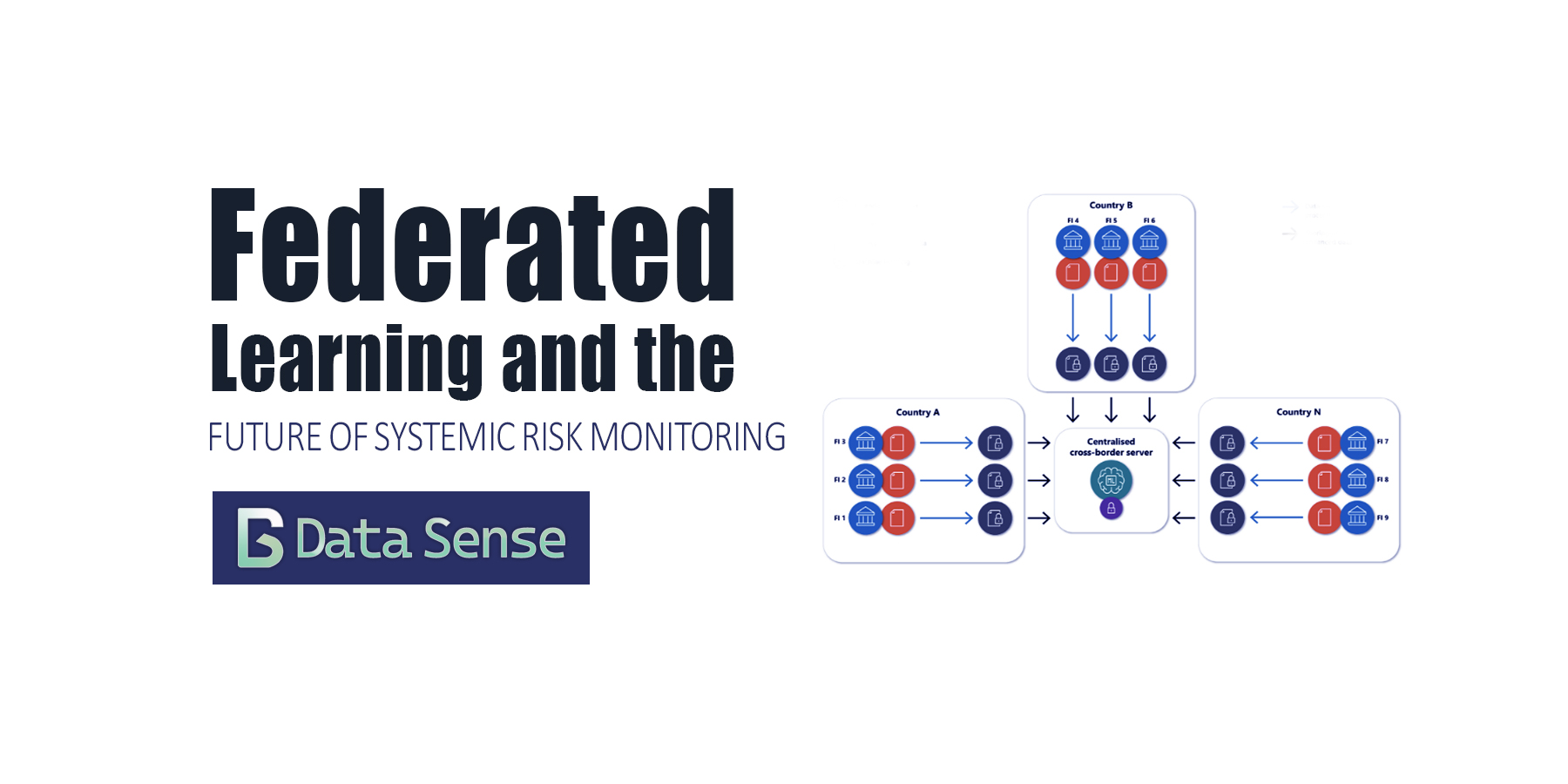
Federated Learning and the Future of Systemic Risk Monitoring
Read More ->: Federated Learning and the Future of Systemic Risk MonitoringCross-border financial data remains fragmented, siloed, and difficult to use for proactive risk oversight. With new privacy, AI, and governance rules tightening globally, collaboration between financial institutions has become both necessary and technically complex. Federated learning is a promising framework for overcoming these challenges.
-
 17 minutes
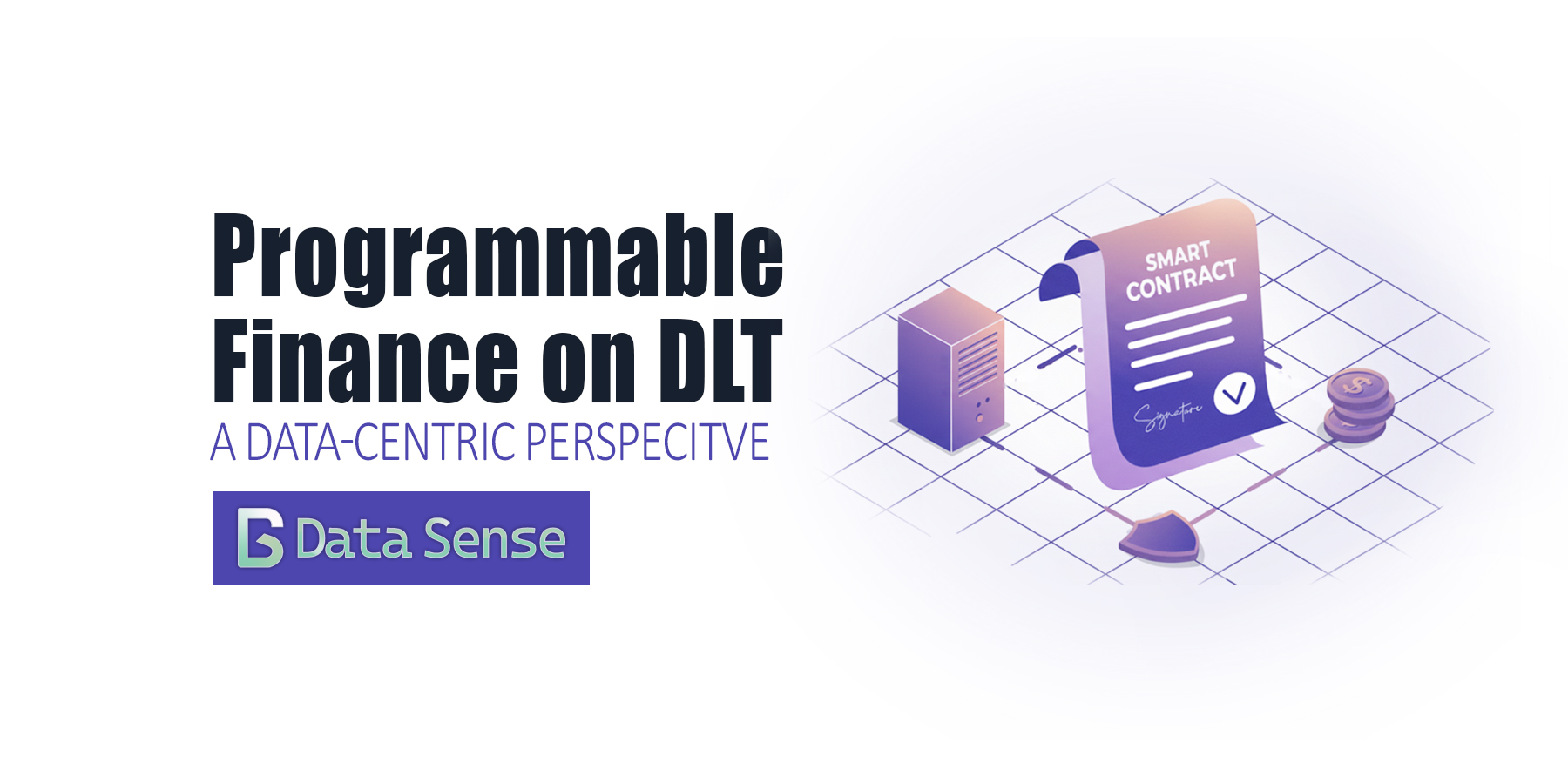
Programmable Finance on DLT: Data-Centric Perspective
Read More ->: Programmable Finance on DLT: Data-Centric PerspectiveIn this weeks article we discuss how distributed ledgers reshape settlement data, risk metrics, and privacy controls in financial markets. The rise of programmable finance on DLT is reshaping how financial institutions think about settlement, data governance, privacy, and risk. Unlike earlier blockchain hype, today’s experiments focus on the data foundations of trust: ensuring interoperability across rails, clear definitions of finality, and privacy-preserving analytics at scale.
-
 22 minutes
How to Create and Validate Synthetic Financial Data in Python
Read More ->: How to Create and Validate Synthetic Financial Data in PythonRecently Data Sense published an article discussing how synthetic financial data is reshaping risk management in financial services. We detailed how financial regulators have begun to experiment and publish guidelines for implementing and assessing synthetic data for analytical fidelity and privacy preservation. But how can this actually be achieved? Extending our previous research, we have provided a framework below for economists, supervisors and financial data scientists to implement and assess synthetic data use cases. The objective of this tutorial is to help economists, supervisors, and financial data scientists gain practical experience in generating, validating, and assessing synthetic financial data using…
-
 10 minutes
Synthetic Data in Financial Services: Reshaping Risk
Read More ->: Synthetic Data in Financial Services: Reshaping RiskAs synthetic data in financial services gains momentum, evidence from the Financial Conduct Authority (FCA), the European Commission (EC), and central-bank forums shows it can help close cross-border visibility gaps in risk monitoring and systemic oversight When Lehman Brothers collapsed in September 2008, supervisors around the world struggled to see how risks were propagating through interconnected balance […]
CATEGORY ARCHIVES